Few places in Japan do autumn better than Kyoto. From mid-November to early December, the city's temples, gardens, and mountain valleys ignite in shades of crimson, amber, and gold as the Japanese maple — momiji — reaches its fiery peak. The season is short, spectacular, and impossibly popular, so a little planning goes a long way. This guide covers the exact dates to book around, the twelve unmissable viewing spots, the best night illuminations, and the strategies that will keep you ahead of the crowds.
When to See the Autumn Colors
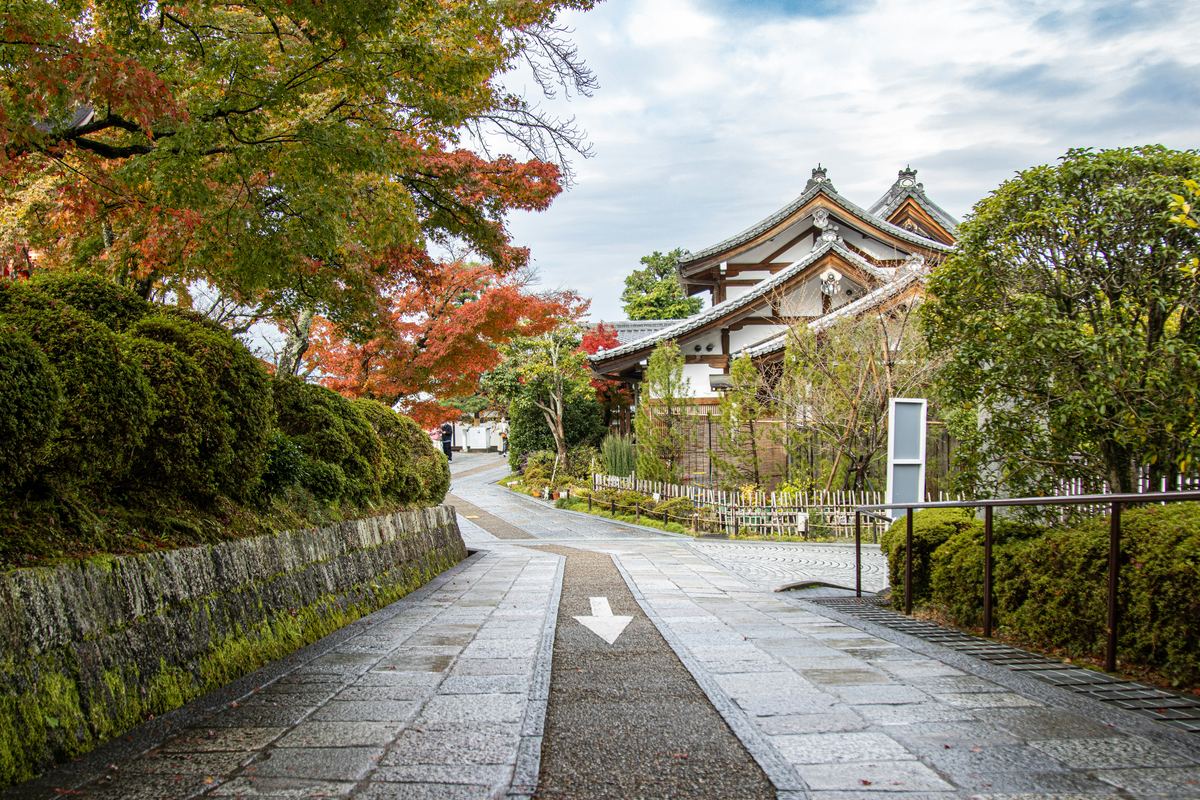
Autumn color creeps down from the northern mountains in late October and reaches the central temples in mid-November. For most of Kyoto's famous gardens, the peak window falls between roughly November 20 and December 5. Ginkgo trees — most famously the golden avenue at Nijo Castle — often peak a little later, stretching the color into the first week of December.
The 12 Best Spots for Momiji
- Tofuku-ji — a sea of maple seen from the Tsutenkyo Bridge.
- Eikan-do — multi-level halls and mirror-still reflections.
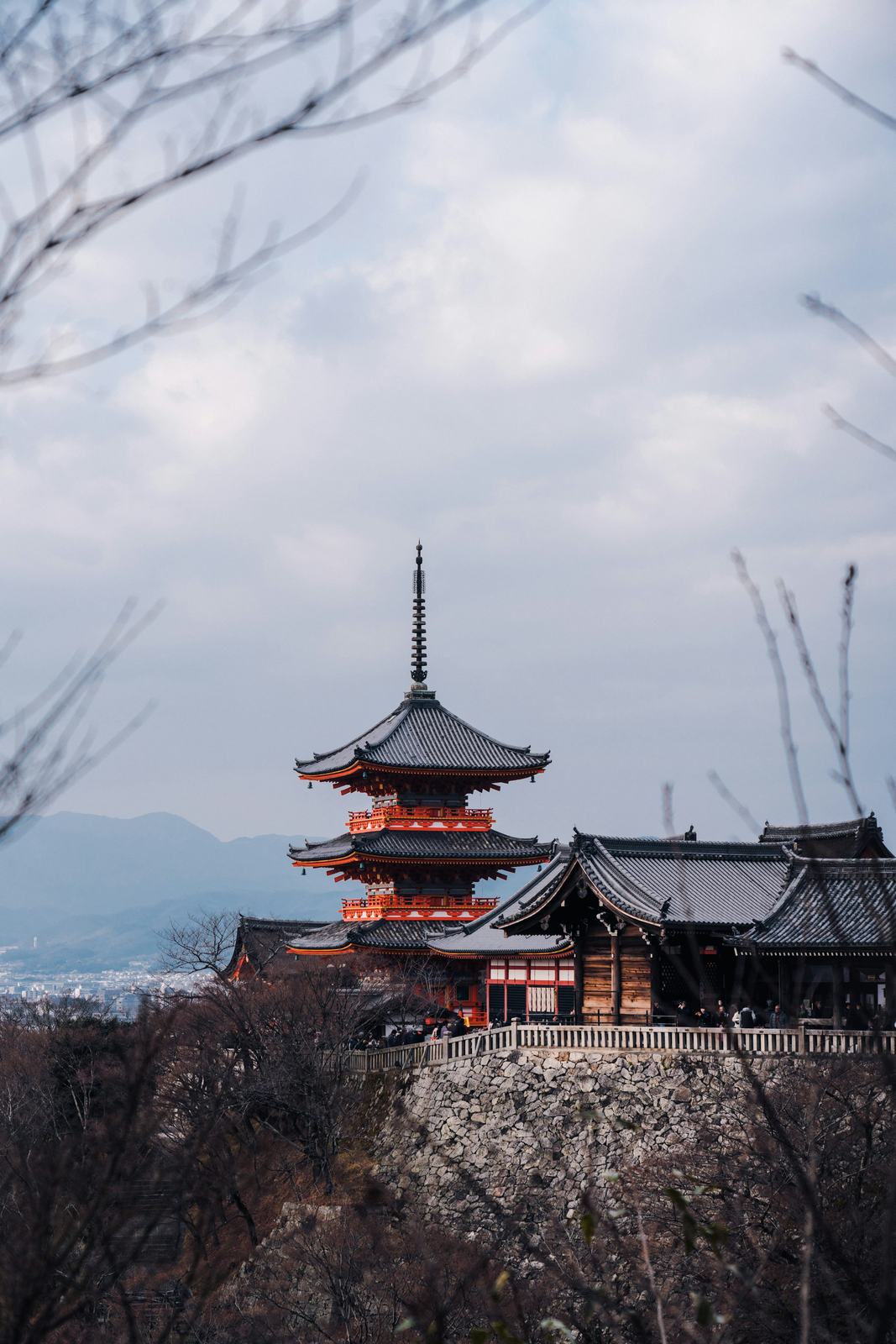
- Kiyomizu-dera — the famous veranda overlooking a valley of color.
- Arashiyama — the Togetsukyo Bridge and Tenryu-ji's garden.
- Daigo-ji — a five-story pagoda framed by crimson maple.
- Ninna-ji — elegant palace gardens without the worst crowds.
- Koto-in — a hidden gem of moss and red leaves.
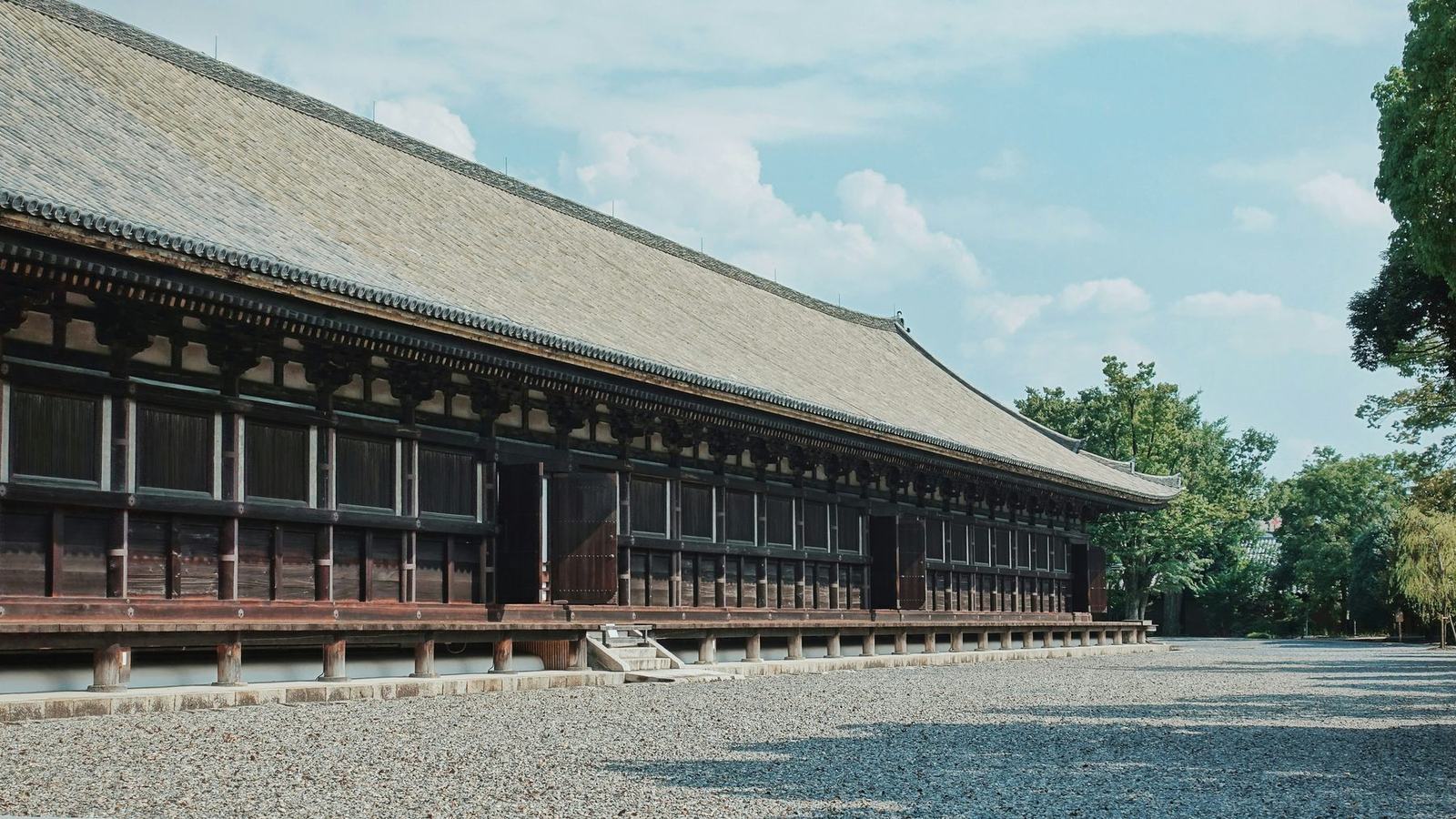
- Sanjusangendo — the long hall and its autumn trees beyond.
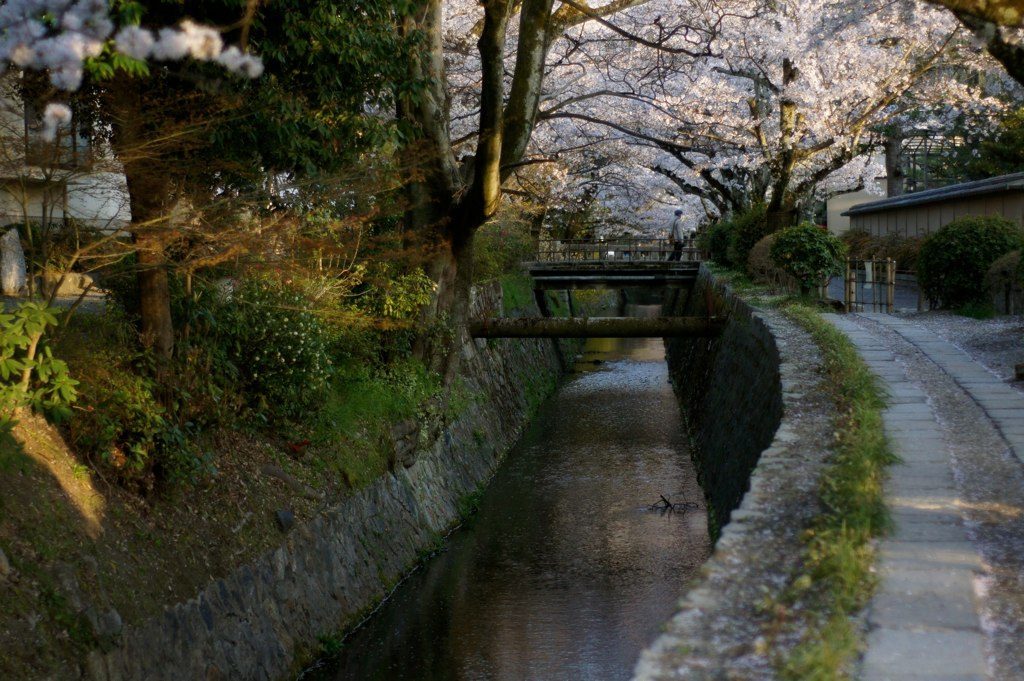
- Philosopher's Path — a canal lined with maple and stone lanterns.
- Kodai-ji — famous for night illuminations and bamboo.
- Kitano Tenmangu — autumn gold before the plum blossoms return.
- Nijo Castle — the spectacular ginkgo avenue.
Night Illuminations Not to Miss
Several temples stay open after dark during peak season, and the floodlit maple trees are breathtakingly different from the daytime view. The four best are Tofuku-ji, Eikan-do, Kiyomizu-dera, and Kodai-ji.
Night illuminations run on separate evening tickets, usually ¥600-1000, and queues can be long. Arrive 30 minutes before the gates open to be near the front of the line, and expect the interiors to be crowded even when the gardens are not.
Photography Tips
The best light for maple is the first hour after opening, before the tour groups arrive. A polarizing filter cuts the glare off wet leaves. Many temples — including Kiyomizu-dera and Tofuku-ji — prohibit tripods, so a fast prime lens or a stabilized camera body will help you shoot handheld in the dim halls. And be patient: the classic shots of bridges over red valleys need a spot at the railing, which people rotate through quickly.
How to Beat the Crowds
Go famous, but go early: arrive for opening (usually 8:00 or 8:30 am) and you'll have the temples nearly to yourself for the first hour. Visit the biggest names on weekdays rather than weekends. And remember the season is long enough to mix in quieter gardens like Koto-in or Ninna-ji, where the color is just as rich and the crowds a fraction of Kiyomizu's.
If you're already dreaming of the other half of the year, our guide to Kyoto's cherry blossoms will help you plan spring — or, if your trip runs deep into December, see what winter in Kyoto has in store.