Everyone talks about cherry blossoms and autumn leaves. But ask any Kyoto local, and many will tell you their favorite season is winter. Here's why — and why you should consider it for your trip.
❄️ The Case for Winter (December-February)
1. Almost No Crowds
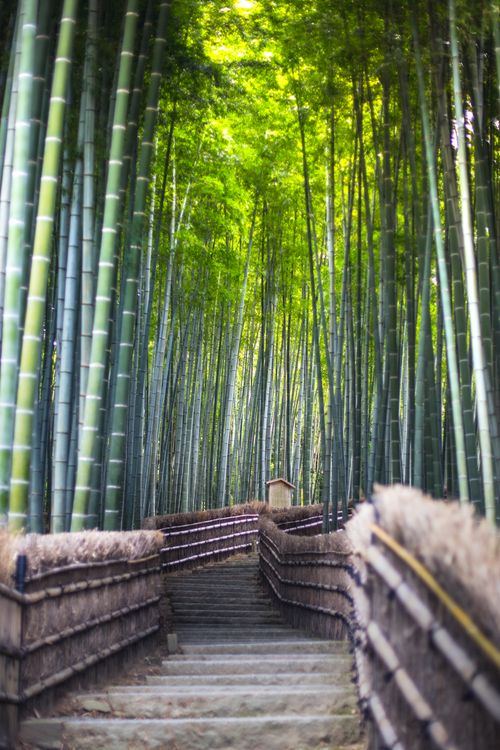
This is the biggest advantage. Fushimi Inari at 10 AM in January? Maybe 20 people on the trail. Arashiyama bamboo grove? Walkable. Hidden temples? Often completely empty. You'll experience Kyoto the way it was meant to be experienced — peaceful and contemplative.
2. Snow on Temples
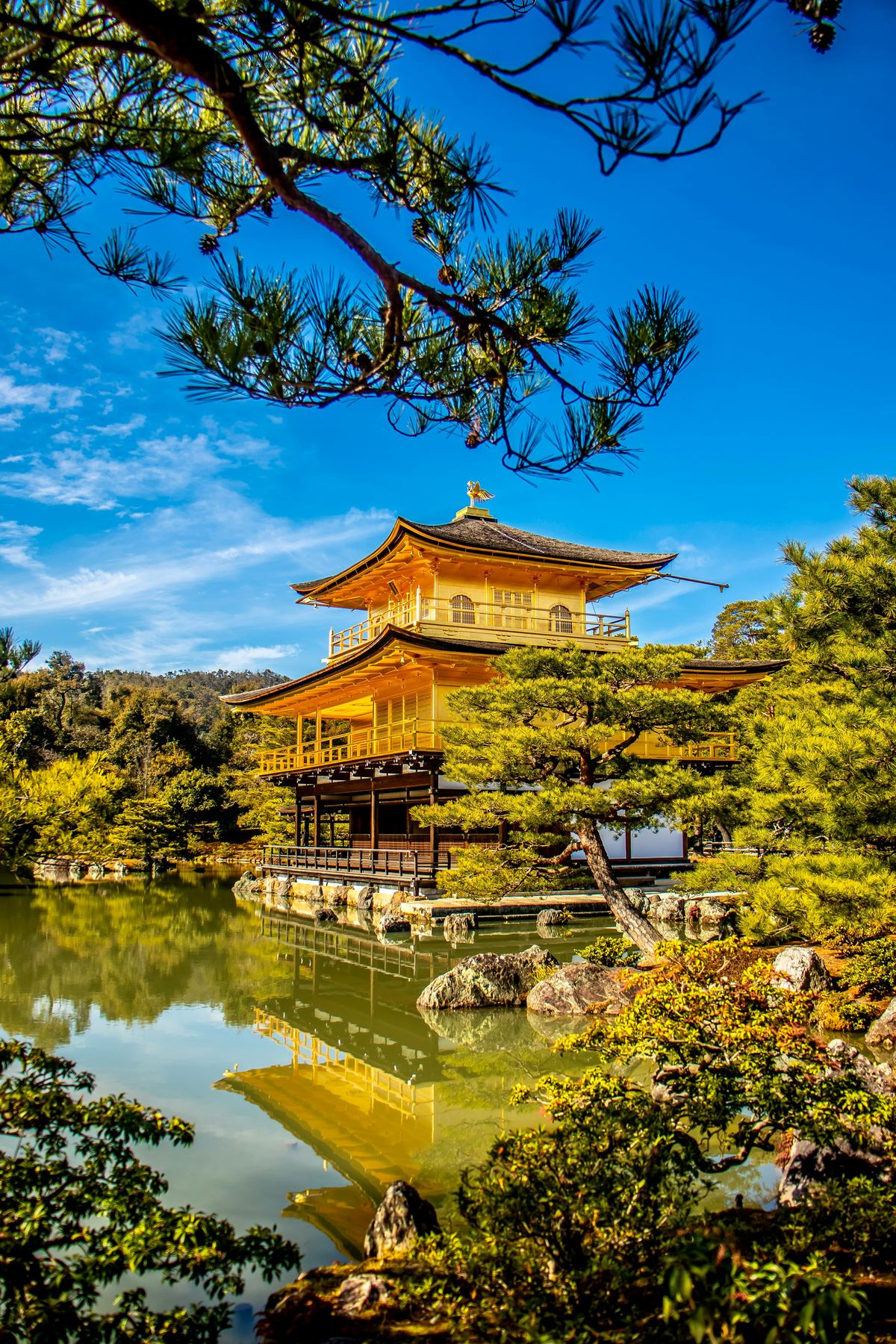
When Kyoto gets snow (usually 2-4 days per winter), the transformation is extraordinary. Kinkaku-ji covered in white, bamboo grove dusted with frost, red torii gates against grey sky. It's the Kyoto of Japanese woodblock prints, come to life. Snow typically falls in January-February and melts within a day — so you need luck and flexibility.
3. Stunning Illuminations
Winter is illumination season. Kyoto's temples and parks put on spectacular light shows:
- Hanatoro (Arashiyama & Higashiyama): December. 2,500+ lanterns light up streets and temples. Arashiyama's bamboo grove illuminated is unforgettable.
- Kifune Shrine: "Light of the River" illumination on the溪 (stream). Hundreds of candles float on water. January-February. Free.
- Kodai-ji Temple: LED lights project onto the bamboo grove. Modern art meets ancient temple.
- Eikan-do Temple: Autumn illumination extends into early December. Worth catching.
4. Budget Prices
Flights and hotels are 30-50% cheaper than spring/autumn. You'll find ryokan deals that would be impossible in peak season. See our budget guide for more savings.
5. Hot Springs Season
There's nothing better than soaking in an outdoor onsen while cold mountain air touches your face. Kyoto has several accessible hot spring areas:
- Kurama Onsen: 30 min from Kyoto by train. Outdoor bath in the mountains with forest views. ¥2,500.
- Kibune Onsen: Same area as Kurama. Restaurants serve meals over the river in summer, but winter has its own charm.
- Onmyoji Onsen: Within Kyoto city, good for a quick soak.
📅 Winter Events & Festivals
- Omisoka (New Year's Eve, Dec 31): Temples ring their bells 108 times at midnight (joya no kane). Tenryu-ji and Chion-in are the most atmospheric. Dress warm — it's freezing and crowded, but unforgettable.
- Hatsumode (Jan 1-3): First shrine visit of the year. Every shrine in Kyoto is packed. Shimogamo Shrine is the most traditional.
- Hanatoro (Dec): Illumination festivals in Higashiyama and Arashiyama.
- Toka Ebisu (Jan 9-11): Festival of prosperity at Kyoto's Fushimi Inari. Lively and colorful.
- Daigo no Kanpeki (Feb): Plum blossoms begin at Daigo-ji — the earliest blooms in Kyoto.
🌸 Winter Blooms
While cherry blossoms steal the headlines, Kyoto's winter flowers are quietly spectacular:
- Plum blossoms (ume): Late January through February. Kitano Tenmangu's 1,500 plum trees are the best viewing. The fragrance is intoxicating.
- Camellias (tsubaki): January-March. Heian Shrine's camellia garden is a riot of red and pink.
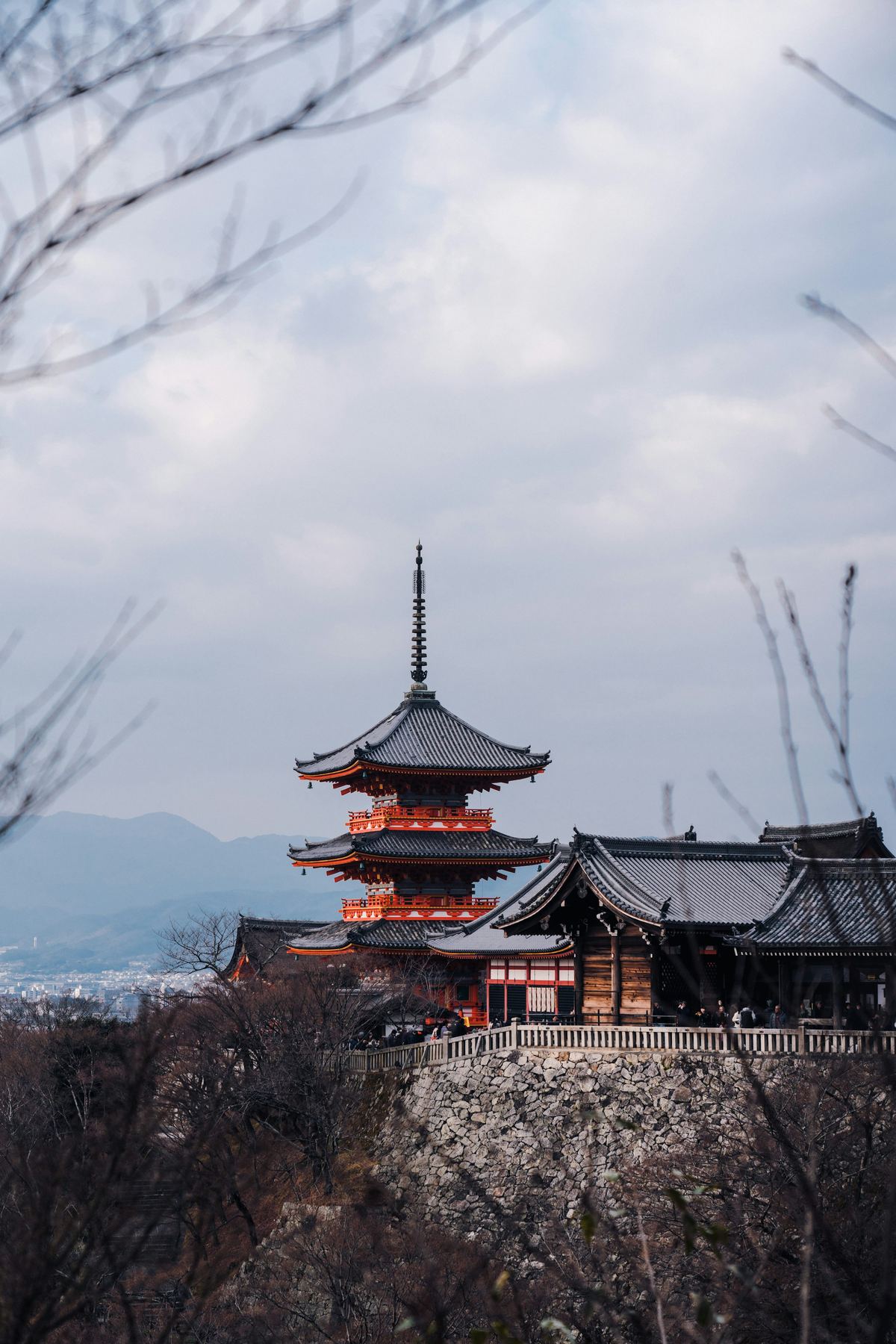
- Bare branches: Winter's stark beauty — the geometric patterns of bare trees against temple architecture are profoundly Japanese.
🧣 Practical Winter Tips
- Dress in layers. 2-7°C (35-45°F). Most temples are unheated. Wear thermal base layers.
- Bring hand warmers. Sold at every convenience store for ¥100. Essential for temple visits.
- Hot drinks everywhere. Vending machines sell hot coffee and tea. Konbini sell hot oden (simmered snacks) — perfect winter street food.
- Shorter days. Sunset around 5 PM. Plan outdoor activities for morning, indoor activities (temples, museums, food) for afternoon.
- Late opening hours. Some temples extend hours for winter illuminations — check specific venues.
🗺️ Perfect 3-Day Winter Itinerary
Day 1: Classic Kyoto in the Cold
- 8 AM — Fushimi Inari at sunrise (empty in winter, extra mystical)
- 11 AM — Nishiki Market for warm street food
- 1 PM — Nijo Castle (chirping floors, warm interior)
- 3 PM — Kinkaku-ji (spectacular if snowing)
- 5 PM — Kifune Shrine illumination (bus to Kibune, then walk)
Day 2: Hot Springs & Mountains
- 9 AM — Kurama to Kibune hike (45 min, beautiful winter forest)
- 11 AM — Kibune village lunch at Kawadoko restaurant
- 2 PM — Kurama Onsen (outdoor mountain bath)
- 5 PM — Return to central Kyoto for Gion evening walk
Day 3: Hidden Gems & Illuminations
- 9 AM — Arashiyama — bamboo grove (empty!), Monkey Park, temples
- 12 PM — Lunch at Sagano
- 2 PM — Koto-in Temple (winter moss garden is stunning)
- 4 PM — Kitano Tenmangu plum garden (if blooms have started)
- 6 PM — Hanatoro illumination or Kodai-ji LED show