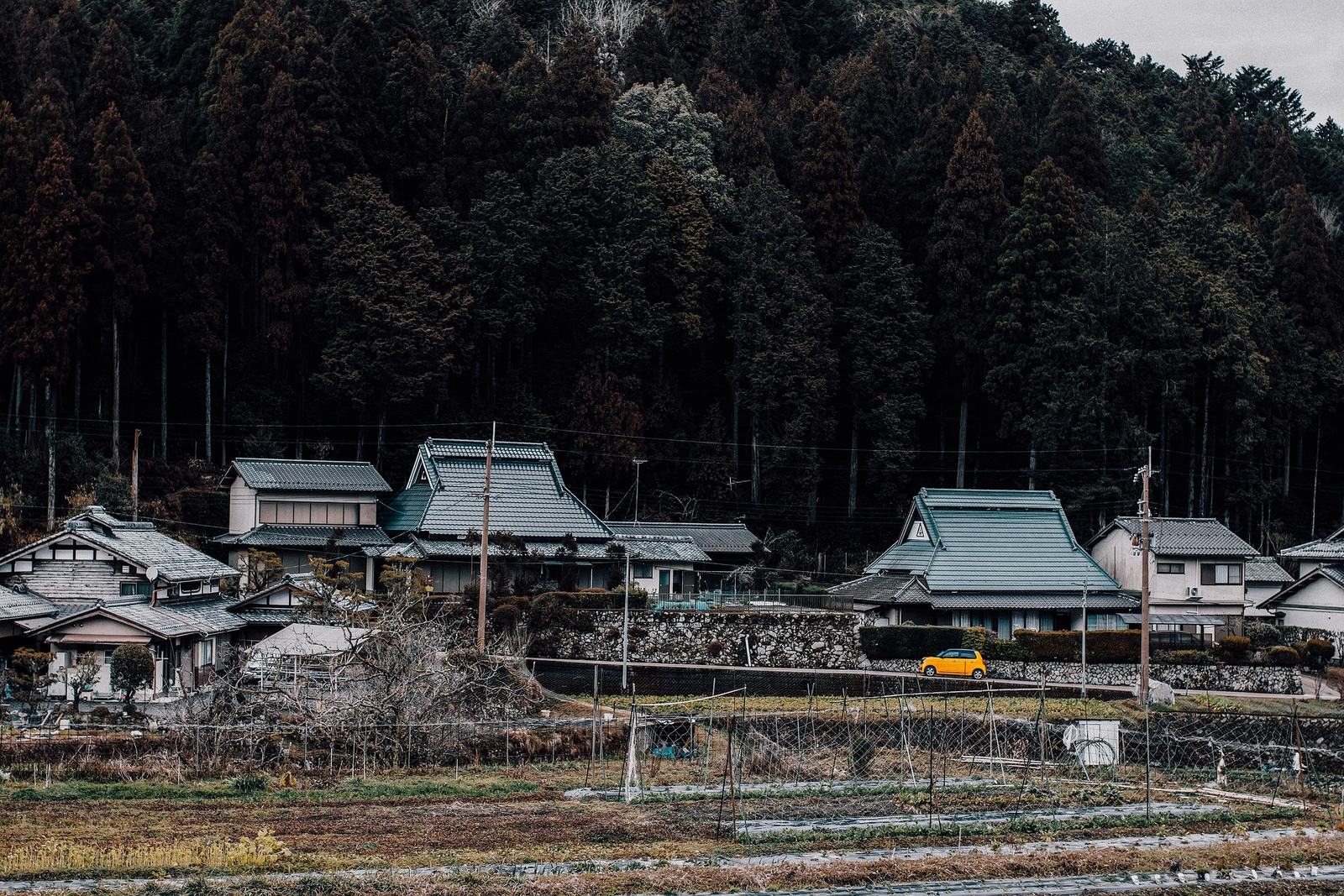
Thirty minutes north of central Kyoto, the mountain villages of Kurama and Kibune feel like an entirely different country — cedar forest, a mountaintop temple wrapped in tengu folklore, a river shrine, and an outdoor hot spring. It's the easiest full escape from the city without an overnight stay.
🚆 Getting There
• Take the Karasuma subway or a bus to Demachiyanagi Station.
• From there, ride the Eizan Railway to Kurama Station — about 30 minutes, roughly ¥560 one-way (~¥1,110 round trip).
• On weekends and during autumn foliage season, look out for the Kirara train, with extra-large panoramic windows for forest views.
⛰️ Why Kurama & Kibune
Kurama-dera is the legendary birthplace of the mountain goblin (tengu) myths and, more recently, of Reiki, the healing practice founded here in the 1920s. Its approach winds up through dense cedar forest, past small shrines, to a main hall with sweeping mountain views. On the other side of the ridge, Kibune is a tiny riverside village centered on Kifune Shrine, dedicated to a water deity — in summer, restaurants build dining platforms (kawadoko) directly over the cool river.
📍 Full Day Itinerary
Morning (9:30 AM – 12:00 PM)
- Kurama-dera entrance (9:30 AM) — Pay the temple's modest maintenance donation (around ¥300) at the gate. You can ride a short cable car partway up, or walk the full forested approach — steeper, but the more atmospheric option, past the Yuki Shrine.
- Main Hall (10:15 AM) — The Honden sits on a platform with panoramic mountain views. Take a break here before continuing.
- Mountain trail to Kibune (10:45 AM) — The path continues over the ridge and down the other side, through cedar forest, taking roughly 60–90 minutes at an easy pace. The trail is well-marked but involves real elevation change and tree roots — wear proper shoes.
Lunch in Kibune (12:15 PM – 1:30 PM)
Kibune's riverside restaurants are the main event in summer:
- Kawadoko dining (May–September) — Platforms built directly over the river keep diners cool even in Kyoto's humid summer; expect ¥5,000–8,000 per person for a seasonal set menu at the nicer establishments, less at simpler noodle spots.
- Off-season (October–April) — Restaurants move indoors; a simple soba or udon lunch runs ¥1,200–2,000.
Afternoon (1:30 PM – 4:00 PM)
- Kifune Shrine (1:30 PM) — Known for its water deity and for water-activated fortune slips (mizuura mikuji) — dip a blank paper in the shrine's spring and your fortune appears. Free to enter.
- Kurama Onsen (2:30 PM) — A short bus or walk back toward Kurama, this outdoor hot spring bath looks out over the forested mountainside — a perfect way to soothe legs after the hike. Outdoor bath entry is roughly ¥2,500–2,800 (indoor facilities cost extra).
💰 Budget Breakdown (Per Person)
- Train round trip: ~¥1,110
- Kurama-dera donation: ~¥300
- Lunch: ¥1,200–8,000 (season-dependent)
- Kurama Onsen outdoor bath: ~¥2,600
- Total: ¥5,200–12,000 (~$35–80)
⚠️ Tips
- Wear real walking shoes. The Kurama–Kibune trail has stone steps, roots, and uneven ground — this is a hike, not a stroll.
- Kawadoko season is May to September — outside that window, the riverside platforms are dismantled and dining moves indoors.
- Bring a towel for Kurama Onsen if you want to avoid the (modest) rental fee.
- Start early — between the hike, lunch, shrine, and onsen, this is a full day; an early start keeps you from rushing the onsen soak at the end.
- Autumn foliage (November) is spectacular along the trail but also the busiest period — expect more foot traffic on the ridge path.