Overview
Known locally as "Kyoto's Kitchen," Nishiki Market is a narrow, covered shopping street stretching about 400 meters between Teramachi and Takakura, with roots going back some 400 years to when it operated as a wholesale fish market. Today it's lined with well over a hundred small stalls and shops selling fresh seafood, pickles (tsukemono), skewered street food, knives, tea, and Kyoto specialties you won't easily find elsewhere.
It's less a tourist attraction than a working market that tourists have discovered — locals still shop here for dinner ingredients alongside visitors grazing their way down the arcade one skewer at a time.
Practical Info
Hours: The arcade itself is open around the clock, but individual stalls generally trade from about 9:00 AM to 6:00 PM; some close on Wednesdays. There's no entry fee — you pay per item as you go.
Access: A short walk from Shijo Station (Karasuma Line) or Kawaramachi Station (Hankyu Line), and about a 15-minute walk from Kyoto Station's downtown bus routes. It sits one block north of Shijo-dori, Kyoto's main shopping street.
What to try: Tamagoyaki (rolled omelet) on a stick, fresh yuba (tofu skin), matcha soft-serve, fresh unagi (eel), and seasonal pickles. Many stalls offer small samples.
Location
Best Time to Visit
Go on a weekday late morning (around 10–11 AM) to see stalls at their freshest with manageable crowds. Weekends and early evenings get genuinely packed, and the arcade is narrow enough that a crowd can slow you to a crawl. Any season works, though winter brings seasonal seafood and New Year's brings a shopping frenzy for osechi ingredients in the days before January 1st.
Tips
- Eat as you walk, but don't eat while actually walking through the busiest stretch — step to the side or find a small standing counter, as etiquette in Japan generally discourages eating on the move.
- Bring small cash; many of the older stalls don't take cards.
- The market connects almost directly to the covered Teramachi and Shinkyogoku shopping arcades if you want to continue browsing after you've eaten your way through.
Local tip: Look for stalls with a short line of local obaachan (grandmothers) rather than the ones with English signage and tour groups — it's usually a sign of better, more authentic food.
Further Reading
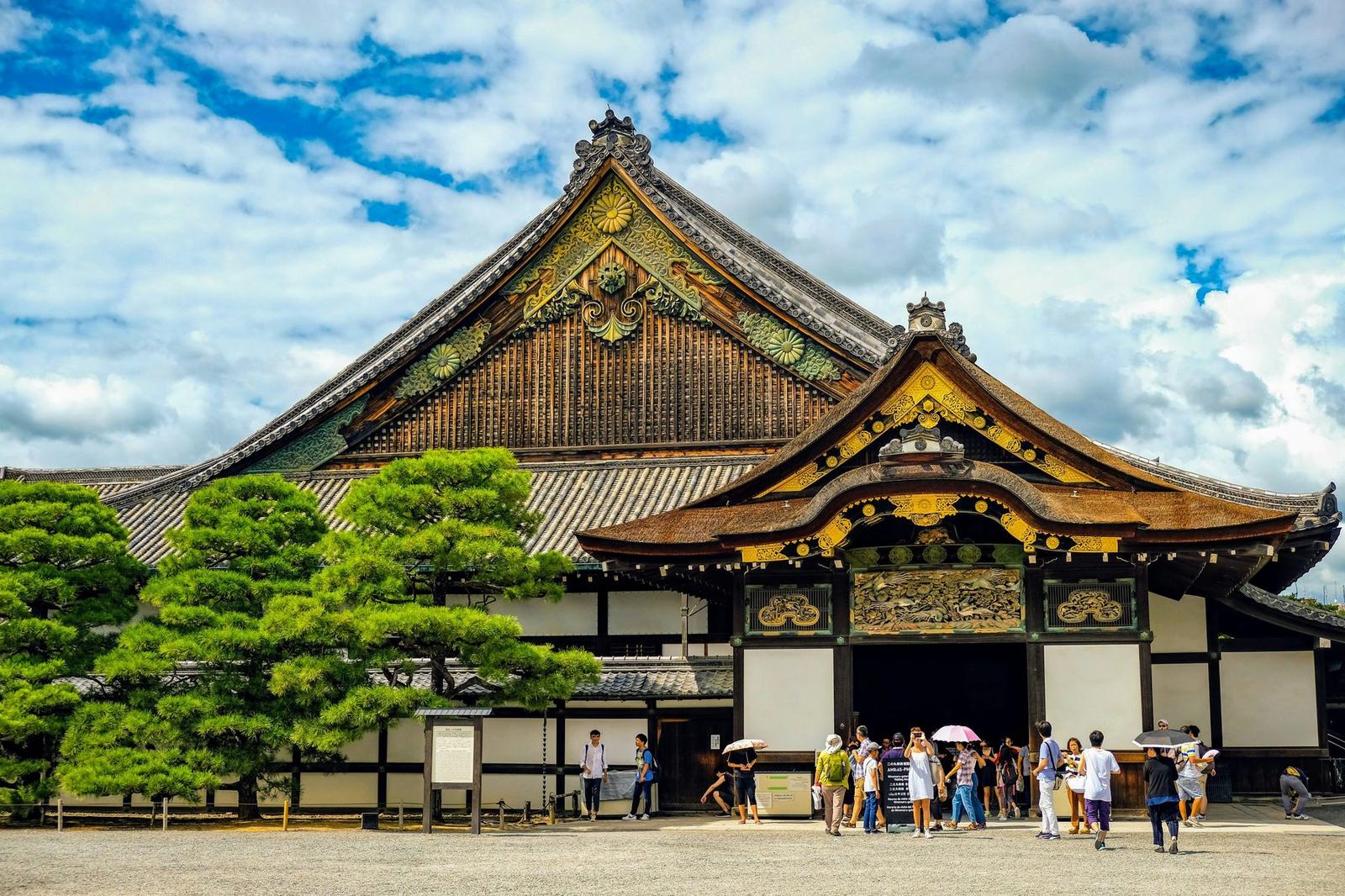
Hungry for more? See our full Kyoto food guide, and pair this stop with nearby Nijo Castle or the Gion district.