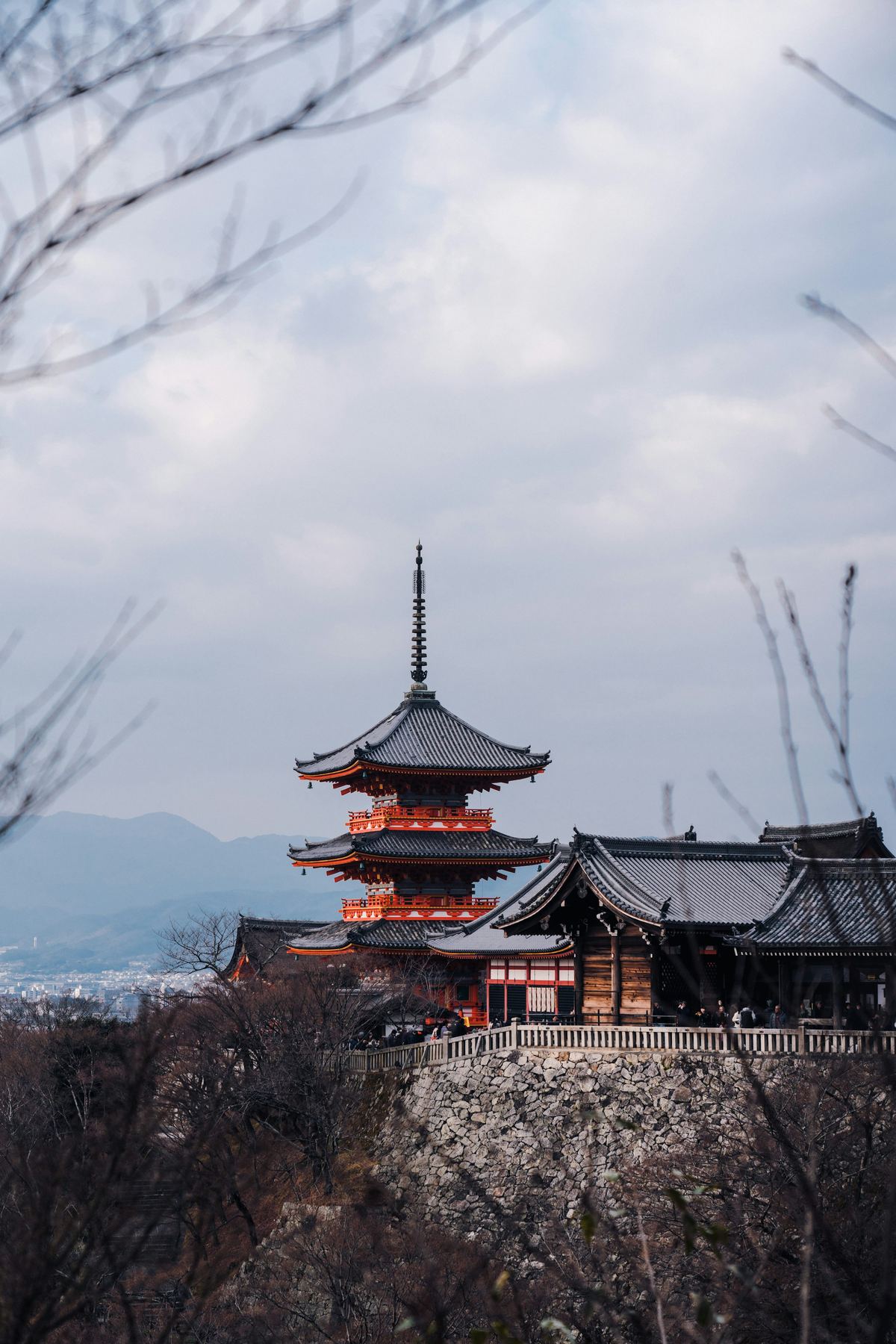
Overview
Kinkaku-ji, officially named Rokuon-ji, is Kyoto's most photographed landmark and a symbol of the city itself. Built in 1397 as the retirement villa of the shogun Ashikaga Yoshimitsu, it became a Zen Buddhist temple after his death. The pavilion's upper two floors are covered entirely in gold leaf, and the building sits at the edge of Kyoko-chi (Mirror Pond), where its reflection creates the perfect symmetrical image seen in countless photographs.
Since 1994 the temple has been a UNESCO World Heritage Site. The current structure dates from 1955 — the original burned down in 1950, but the reconstruction is so faithful that most visitors would be hard-pressed to notice. On a clear day, the golden pavilion against the green hills of the Kitayama area behind it is one of Japan's most beautiful sights, which is exactly why it draws well over a million visitors a year.
Practical Info
Hours: Open daily 9:00 AM–5:00 PM, with last admission at 5:00 PM.
Entry fee: ¥500 for adults, ¥300 for children.
Access: Take city bus 101 or 205 from Kyoto Station (about 40 minutes) and get off at the Kinkakuji-michi stop, a 5-minute walk from the temple. You can also take the Kyoto City Subway Karasuma Line to Kitaoji Station and transfer to a bus for the final leg.
Good to know: The golden pavilion can only be viewed from across the pond — visitors cannot enter the building itself. The garden walk takes about 30–45 minutes, so plan accordingly.
Location
Photography Tips
The classic shot is taken from the far side of Mirror Pond, with the full pavilion and its reflection in frame. For the best angle, walk slightly to the left of the central viewpoint to frame the gold against the wooded hillside. Morning light, before the sun gets harsh, gives the gold leaf its warmest glow — the temple opens at 9:00 AM, so head straight there for the clearest light and the smallest crowds.
If you visit on a calm day, the pond surface turns into a true mirror. A polarizing filter helps cut glare and deepen the blue of the water. And don't forget the smaller views: the Anmintaku pond further along the path and the moss gardens make lovely secondary shots.
Best Season
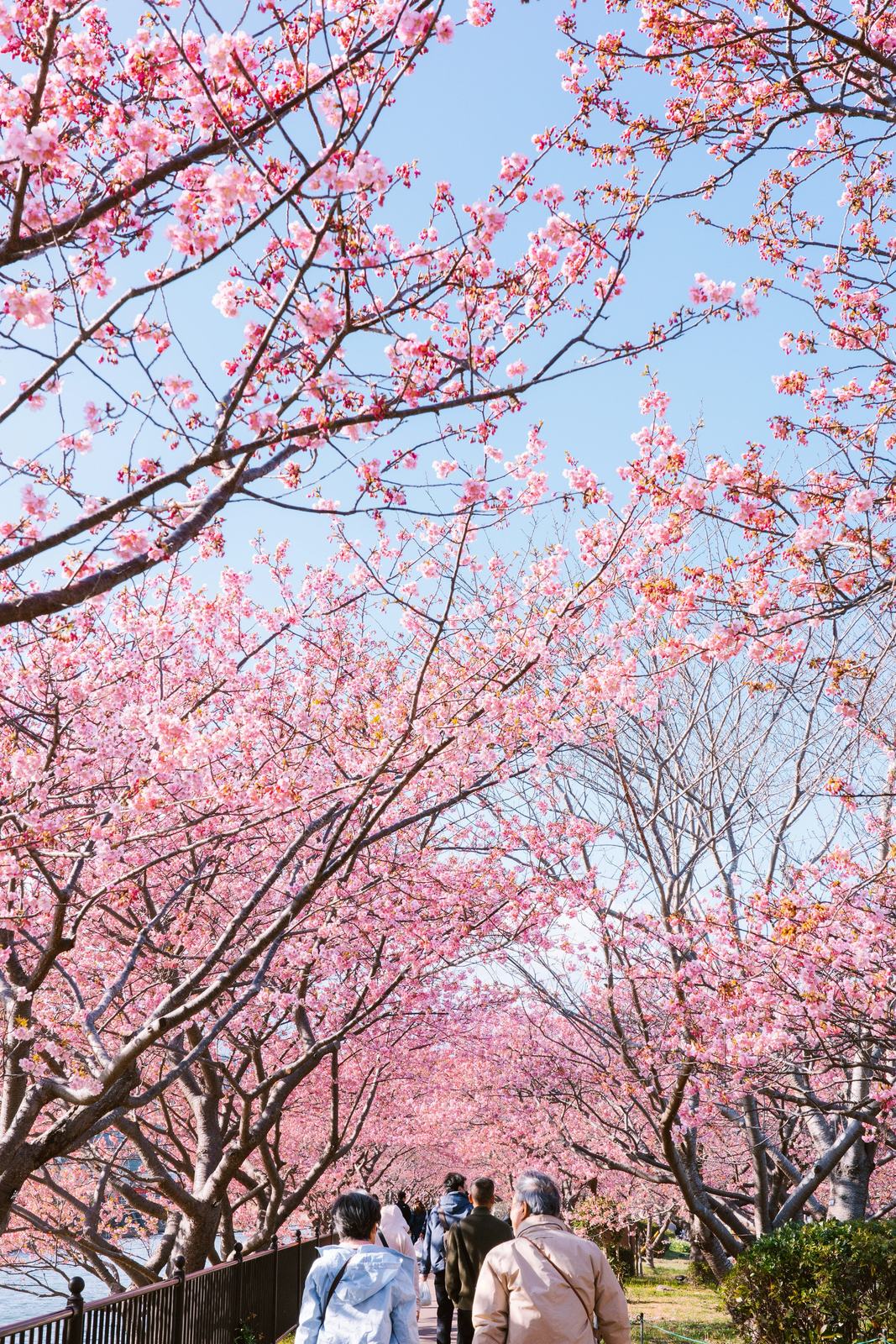
Autumn (mid-November to early December) is the most spectacular time, when the gold pavilion is framed by brilliant red and orange maples. Winter brings rare snow, and a snow-dusted golden roof is one of Kyoto's most treasured images — check the forecast and arrive at opening if snow is expected. In spring, cherry blossoms add soft pink accents, while summer offers lush green hills and crisp reflections.
Tips
- Arrive right at the 9:00 AM opening to beat the tour-bus crowds that arrive mid-morning.
- Combine your visit with nearby Ryoan-ji (the famous rock garden) and Daitoku-ji, both within walking distance or a short bus ride.
- The exit path passes through the lush garden and its small tea pavilion — follow it all the way rather than turning back.
- Entry tickets are elegant gold-lettered slips that make a nice keepsake.
Local tip: Buy your ticket from the machine near the entrance to skip the counter line, and keep it — many visitors frame these tickets as souvenirs.
Further Reading
Planning your trip to Kyoto? See our 3-day Kyoto itinerary to fit Kinkaku-ji alongside the city's other must-see sights, and read our cherry blossom guide to time your visit to spring colors.