Overview
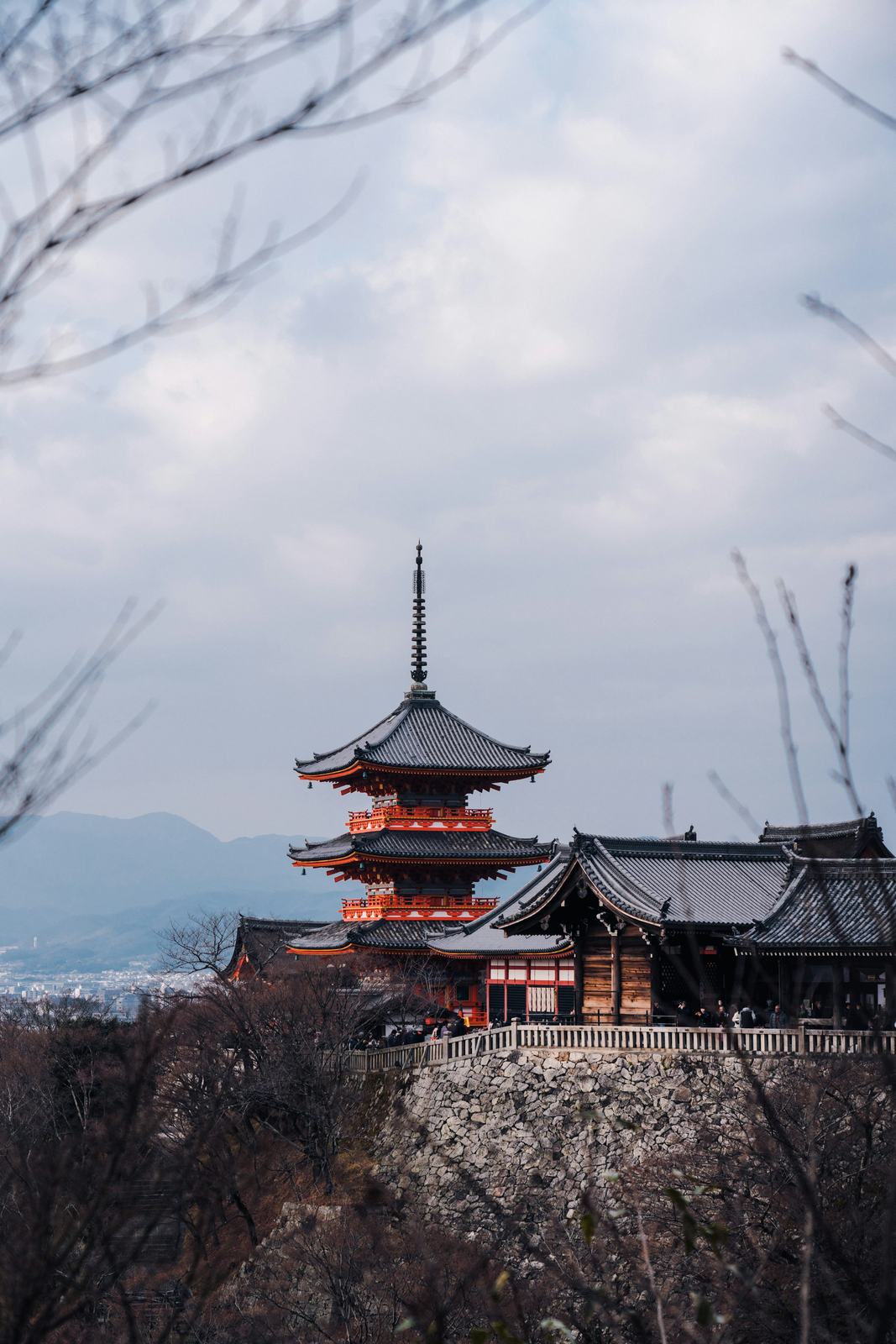
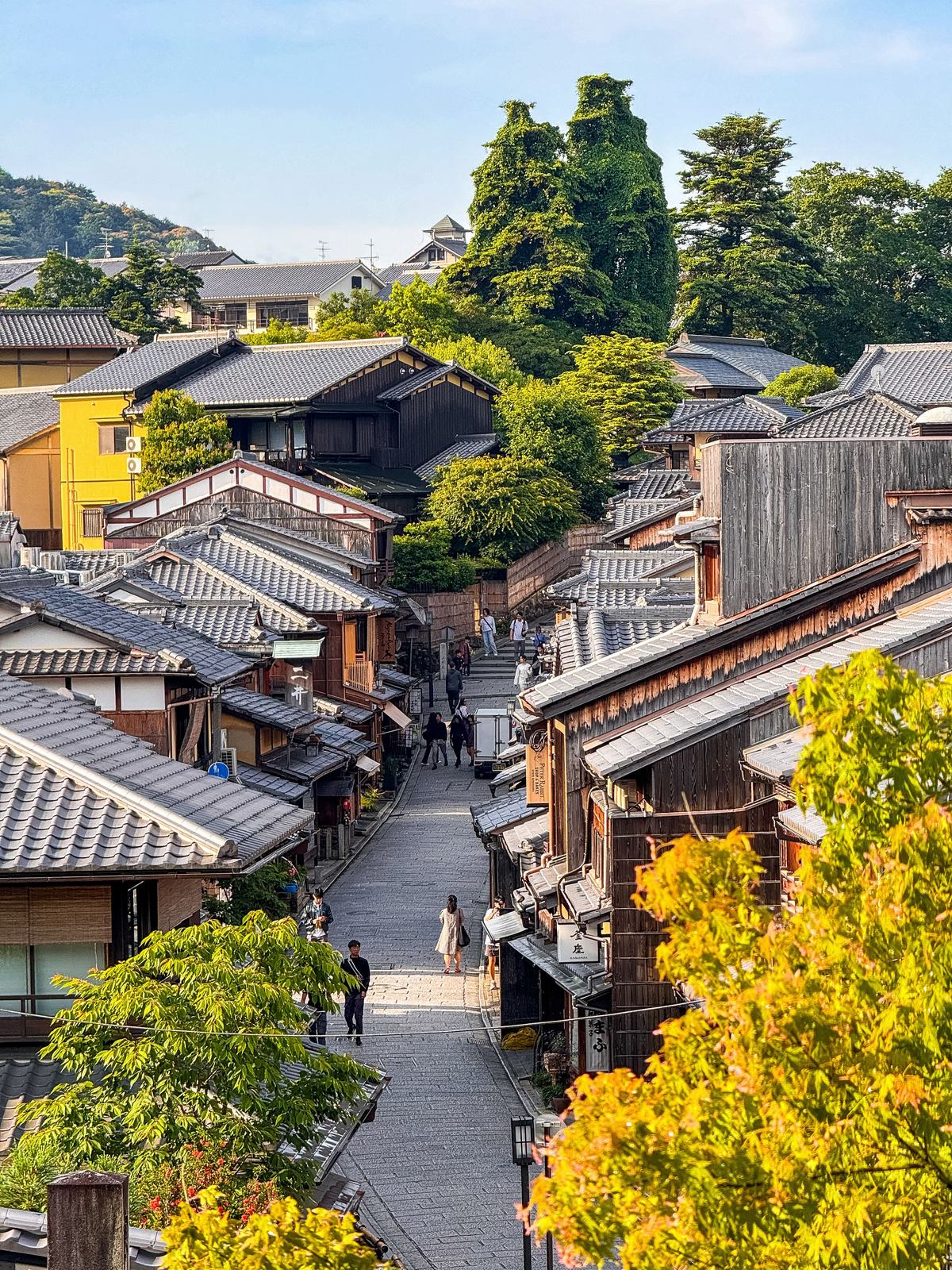
Higashiyama is the wedge of preserved streets running along the base of Kyoto's eastern hills, linking Kiyomizu-dera down through Ninenzaka and Sannenzaka to Yasaka Pagoda and on toward Gion. Wooden machiya shopfronts, stone-paved lanes, and tiled roofs survive here almost unbroken, making it the single best place in the city to feel what old Kyoto looked like before the 20th century. It's compact enough to walk end to end in under an hour, but easy to lose half a day to in the best way — ducking into pottery shops, tea houses, and pickle stalls along the way.
Must-See Spots
- Ninenzaka & Sannenzaka — Two connected sloping stone streets lined with traditional shops; among the most photographed lanes in Japan.
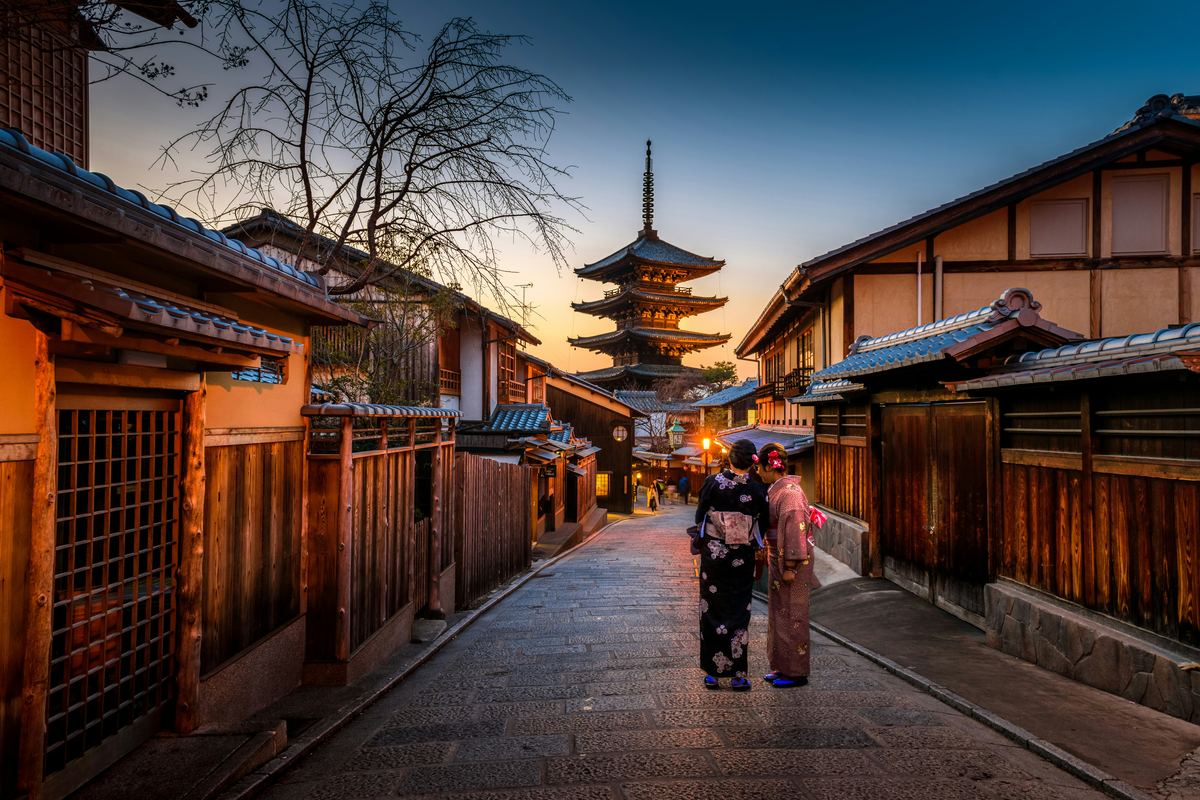
- Yasaka Pagoda (Hokan-ji) — A five-story pagoda rising above the rooftops, the district's iconic silhouette.
- Kodai-ji Temple — A quieter Zen temple with a bamboo grove and a well-regarded garden, a short detour off the main lanes.
- Ishibe-koji — A tiny, lantern-lit alley of ryokan and restaurants tucked just off Nene-no-Michi.
- Starbucks Ninenzaka Yasaka — A converted 100-year-old machiya house; worth a look even if just for the architecture.
Practical Info
Hours: The streets themselves are open 24/7; individual shops generally run 10:00 AM–6:00 PM, and Kodai-ji's grounds are open 9:00 AM–5:30 PM (later during spring and autumn illuminations).
Entry fee: Free to walk; Kodai-ji charges roughly ¥600 for temple grounds.
Access: Best reached on foot from Kiyomizu-dera at the top of the slope, or from Higashiyama Yasui or Gion-Shijo Station at the bottom — the whole district sits between the two.
Location
Best Season
Higashiyama is genuinely good year-round, but it peaks twice: in spring, the approach from Maruyama Park fills with cherry blossoms, and in autumn, Kodai-ji and the surrounding lanes hold evening illuminations that turn the pagoda and maple canopy gold and red after dark.
Tips
- Arrive before 9 AM or after 5 PM to see the lanes without the mid-day tour-group crush — the light is better then too.
- Wear flat, grippy shoes: the stone slopes are steep and get slick in rain.
- The district connects directly to Gion at its southern end, so it pairs naturally with an evening walk there.
Local tip: Skip the crowded main shopping street and take the smaller lane one block east (running roughly parallel) for the same atmosphere with a fraction of the foot traffic.
Related reading: combine with Gion district just to the south, or see our Hanatoro illumination guide for the district's night-lit spring and autumn festivals.